
Beyond Translation: Why Arabic-speaking spokespeople are essential to brand communications
October 29, 2026
In the UAE, effective brand communications require more than translating messages into the country’s official language. They require people who can deliver those messages with confidence, understand the context behind journalists’ questions and engage directly with Arabic-speaking audiences.
For brands operating in the region, Arabic-speaking spokespeople are therefore not simply an added advantage; they are an important part of an effective communications strategy.
While translating press releases and corporate statements makes information accessible, it cannot replace the value of a spokesperson who can communicate naturally in Arabic.
Media interviews are dynamic conversations, requiring the ability to explain complex issues, respond to unexpected questions and convey key messages accurately without relying on translated scripts or intermediaries.
This capability is particularly relevant in the UAE, where international businesses operate alongside local institutions, government stakeholders and Arabic-language media. Although English is widely used in business, brands that rely exclusively on English-speaking representatives may miss opportunities to engage directly with Arabic-speaking journalists and audiences.
Having Arabic-speaking spokespeople helps bridge this gap, making leadership more accessible and enabling brands to participate more confidently in local media discussions.
The benefits extend to reputation management. A spokesperson who understands both the language and the cultural context can communicate sensitive information more precisely, address questions in real time and ensure that the brand’s position is clearly understood.
This is especially important during challenging interviews, significant announcements or situations where clarity and consistency are essential.
For communications teams, this means identifying suitable Arabic-speaking representatives early, providing them with media training in Arabic and developing key messages that are adapted for natural delivery rather than translated word for word.
They should be integrated into media relations, thought-leadership planning and crisis communications, rather than brought in only when an Arabic interview arises.
Ultimately, effective communication is about more than making a message available in another language; it is about ensuring the right person can deliver it credibly and engage meaningfully with the audience. In the UAE, Arabic-speaking spokespeople enable brands to strengthen media relationships, increase leadership visibility and demonstrate a genuine understanding of the market.
They are not merely a translation solution, but a strategic communications resource that helps brands be heard, understood and trusted.
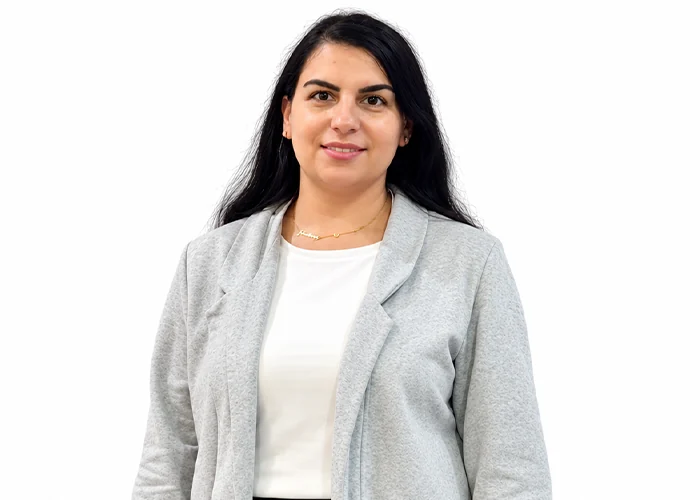
Eliane Chalhoub , Senior Communications Manager, Aurora The Agency
Link: Why UAE brands need Arabic-speaking spokespeople – Campaign Middle East